
An interview day is made up of small moments. Some feel ordinary; others can make your mind race. Knowing what to expect gives you room to concentrate on the conversation, rather than trying to work everything out as you go. Here is a journey through the day, with practical ways to prepare at each stop.
01 / Before the day
Leave tomorrow a little less to do.
The night before, put the job description beside your CV. Choose three examples that relate to the actual work: a difficult issue you diagnosed, a user you supported or an improvement you helped deliver. Remind yourself what you personally did, why you took that approach and what happened. You are preparing useful evidence, not a script.
Confirm the time, address, contact name and format. Is there a practical exercise? Who will you meet? What should you bring? Ask your recruitment consultant about anything unclear, including access needs or adjustments. If you have arranged a preparation call, use it to resolve questions rather than save them for reception.
Set out clean clothing that suits the workplace, organise requested documents and charge your phone. Aim to feel comfortable and presentable. Personal hygiene and a light touch with fragrance help you arrive ready for a shared space; there is no need to dress as someone else.
02 / On the way
Let the journey be a journey.
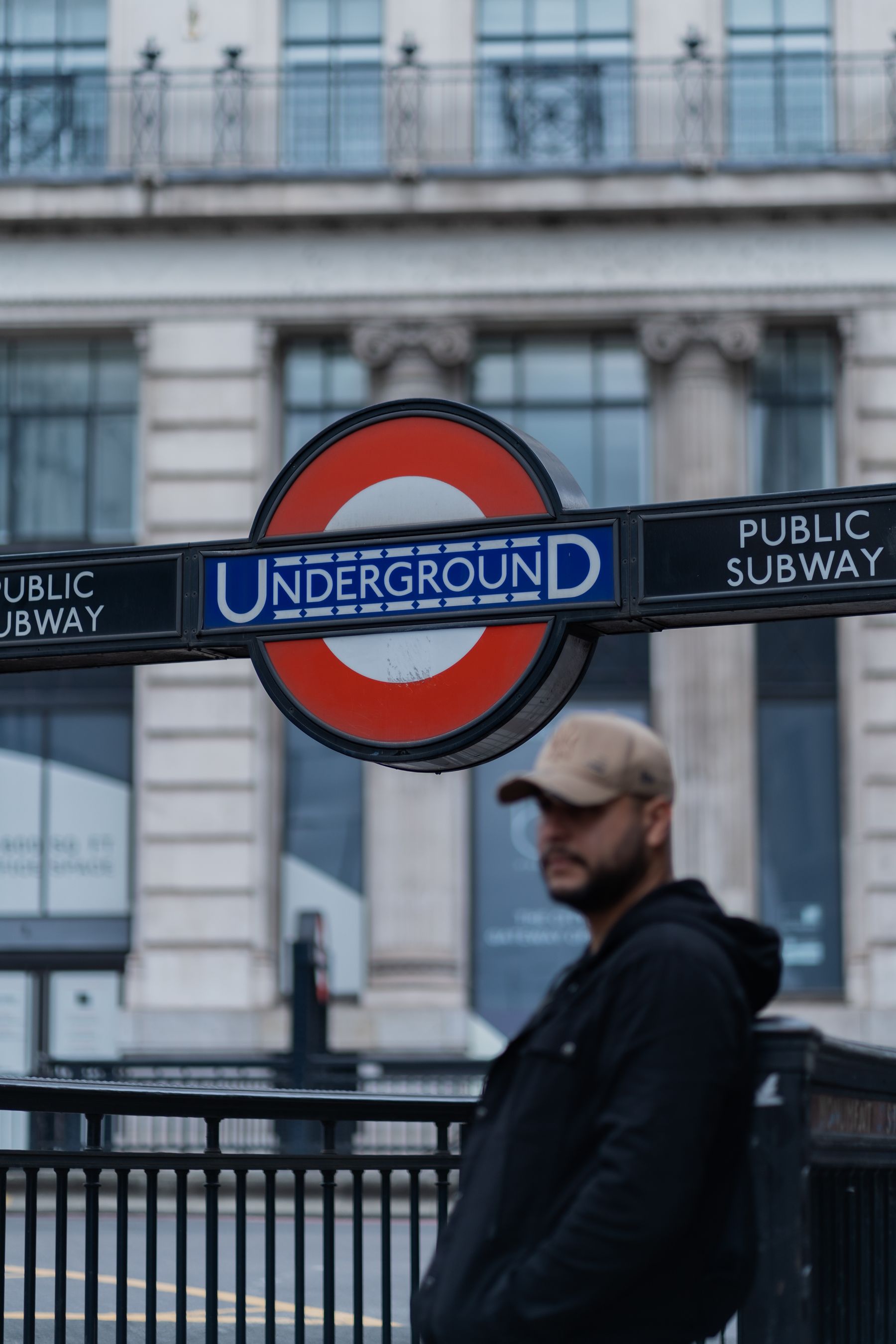
You find a seat on the train, put your bag beside your feet and check the next stop. It is tempting to fill every remaining minute with preparation. Instead, check the practical details first: the correct station exit, the walk to the building and the name of the person you are meeting.
Allow a sensible buffer for delays and aim to check in around ten minutes before the appointment, unless instructed otherwise. If you arrive much earlier, find somewhere nearby to wait. If transport lets you down, contact the interviewer or your consultant as soon as you can, explain the situation and give a realistic arrival estimate.
A quick look at your examples is enough. Then put the notes away. If headphones help you settle, enjoy them during the journey and remove them before approaching reception. Your aim is to arrive attentive, rather than exhausted from rehearsing.
You do not need a perfect performance. You need a clear conversation about the work you can do and the work you want to do next.
03 / Arriving
A simple introduction is enough.

At the desk, give your name, the appointment time and who you are meeting. You do not need a polished speech: “Hello, I’m here for the interview with…” does the job. Follow any visitor or safety instructions and treat everyone you meet with the same courtesy.
Silence your phone and keep your contact details accessible. Notice the environment without turning every detail into a judgement. Reception is a place to get your bearings, not a second interview you must somehow pass.
04 / While you wait
The coffee machine. The quiet minute.

A cup meets its saucer. The coffee machine hums somewhere nearby. You are offered a drink and shown a seat. Accept or decline politely; water is entirely fine. Give yourself a moment to breathe normally, relax your shoulders and look up from your phone.
Bring to mind the things you want to understand: what the team needs now, how colleagues support each other and what you would be learning. These are useful questions about a real working relationship. You are allowed to be interested in the detail.
When someone comes to greet you, put your belongings together and follow their lead. A friendly introduction matters more than trying to project an unfamiliar version of confidence.
05 / In the room
Make your thinking visible.

When asked about your experience, start with the situation, explain your contribution and describe the result. If you worked as part of a team, say so, then be clear about your part. Relevant detail is more useful than a long list of tools.
If a technical question surprises you, pause and clarify it. Explain what you would check first, what evidence you would gather and when you would involve someone else. If you have not used a particular technology, be honest and describe any related experience. Bluffing makes a useful discussion harder.
For a practical exercise, confirm the objective, time available and permitted resources. Use the supplied test environment and ask before making changes. Talk through assumptions when appropriate. The point is to show how you approach the work, not to guess what is hidden in the interviewer’s head.
Leave room for your questions. Ask about actual responsibilities, working arrangements, feedback and development. Listen for concrete examples. An impressive job title cannot tell you what an ordinary Tuesday will feel like.
06 / On the way home
Take a moment before the verdict.
Before the details blur, note what you learned, what interested you and anything still unclear. Did the work match the brief? Can you see how you would contribute? What would help you make an informed decision?
Share that feedback with your consultant and confirm the expected next step. You do not have to decide everything on the train home. A useful interview leaves both sides with a clearer picture—and gives you a sound basis for the conversation that follows.
Keep in mind
- Know the route, entrance and contact name.
- Prepare a few relevant examples, not memorised answers.
- Ask about the real work and support available.
- Be honest about experience and explain your reasoning.
- Reflect, ask remaining questions and agree the next step.
Photography & editorial notes
Licensed stock photography illustrates the situations described. People and workplaces pictured are not presented as Connex employees, clients or candidates. Scenes may feature different people.
Photos from Pexels, used under the Pexels Licence. Photo sources: Professional job interview from the candidate’s side of the desk · Elegant businessman waiting for a train · Modern Kitchen Espresso Machine with Cups · Entrance to Subway in London · Waiting Room in Office.
Written by Connex Recruitment. Published 16 November 2026. Guidance should be adapted to the role, workplace and individual circumstances.